
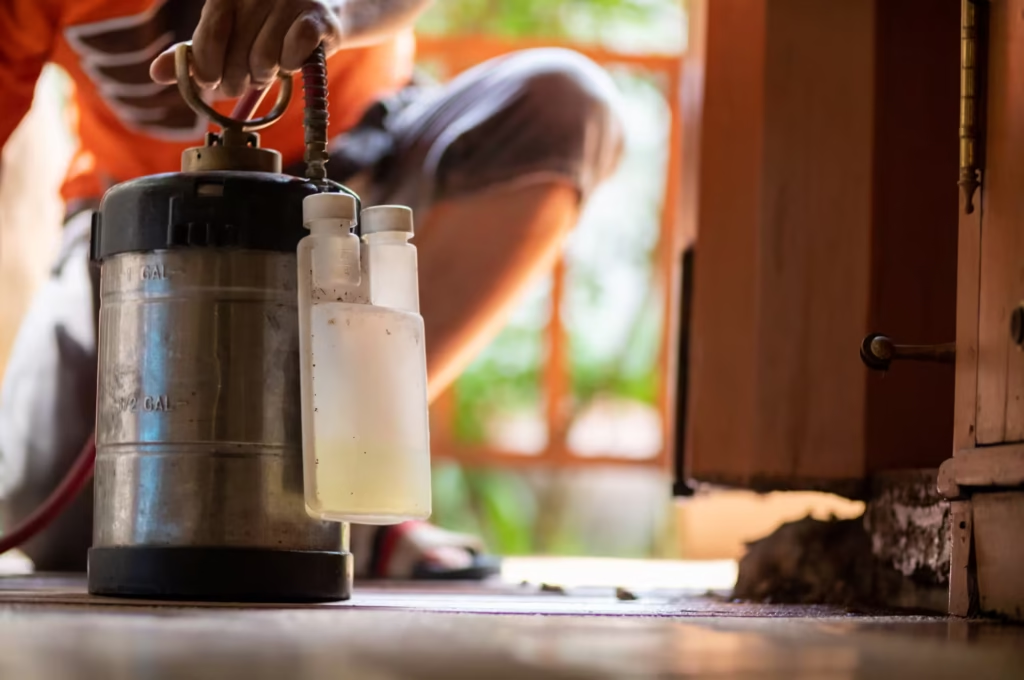
In an era where environmental consciousness and family health concerns are paramount, more homeowners are seeking alternatives to harsh chemical pesticides. Fortunately, natural pest control methods that actually work offer effective solutions for managing common household pests without compromising your family’s well-being or environmental values. These time-tested and scientifically-backed approaches harness the power of nature’s own defense mechanisms to create pest-free environments safely and sustainably.
The misconception that natural pest control is less effective than chemical alternatives stems from poorly researched methods and unrealistic expectations. However, when properly implemented with an understanding of pest behavior and biology, natural approaches can be remarkably successful. The key lies in selecting proven methods, applying them consistently, and understanding that natural pest control often focuses on prevention and long-term management rather than instant extermination.
This comprehensive guide explores the most effective natural pest control strategies, backed by scientific research and real-world success stories. From essential oil applications and physical barriers to biological controls and environmental modifications, you’ll discover practical solutions that protect your home while supporting a healthier ecosystem for your family and community.
Essential Oils: Nature’s Powerful Pest Deterrents
Essential oils represent some of the most versatile and effective natural pest control tools available to homeowners. These concentrated plant extracts contain compounds that have evolved over millions of years to protect plants from insect predators, making them naturally effective against a wide range of household pests.
Peppermint oil stands out as one of the most effective essential oils for pest control, particularly against ants, spiders, and rodents. The high menthol content creates a strong scent that overwhelms pests’ sensitive olfactory systems, making treated areas uninhabitable for them. Research has shown that peppermint oil can repel up to 84% of ants when properly applied. Mix 10-20 drops of pure peppermint oil with water in a spray bottle and apply around entry points, baseboards, and areas where pests have been spotted.
Tea tree oil offers broad-spectrum pest control with additional antimicrobial properties that help sanitize treated areas. This Australian native oil effectively repels ants, spiders, and flying insects while creating an inhospitable environment for pest breeding. However, tea tree oil should be used with caution around cats, as it can be toxic to felines in concentrated forms.
Lavender oil provides dual benefits as both a pest deterrent and a pleasant home fragrance. Moths, flies, mosquitoes, and fleas find lavender’s scent repulsive, while humans typically find it calming and refreshing. Lavender sachets in closets protect clothing from moths, while lavender oil sprays around windows and doors deter flying insects.
Eucalyptus oil contains compounds that effectively repel mosquitoes and other flying pests. The oil’s strong scent masks the carbon dioxide and other attractants that draw pests to humans, making it an excellent natural alternative to DEET-based repellents for outdoor use.
When using essential oils for pest control, always choose pure, therapeutic-grade oils rather than synthetic fragrances. Dilute oils properly to avoid plant damage or surface staining, and reapply regularly as natural oils evaporate more quickly than synthetic chemicals.
Do Natural Pest Control Methods Really Work?
The effectiveness of natural pest control methods depends largely on proper selection, application, and realistic expectations about their mechanisms of action. Unlike synthetic pesticides that often kill pests instantly, natural methods typically work through deterrence, disruption of breeding cycles, and gradual population reduction over time.
Scientific research supports many natural pest control approaches when used correctly. Studies have demonstrated the effectiveness of diatomaceous earth against crawling insects, the repellent properties of various essential oils, and the success of integrated pest management strategies that combine natural methods with environmental modifications.
Success factors for natural pest control include consistent application, targeting the right pests with appropriate methods, and addressing underlying conditions that attract pests to your property. Natural methods work best as part of comprehensive strategies rather than single-solution approaches.
Environmental conditions significantly impact effectiveness of natural pest control methods. Humidity, temperature, and seasonal factors can enhance or diminish the performance of natural deterrents. For example, essential oil applications may need more frequent renewal in hot, humid conditions where oils evaporate quickly.
Pest species and infestation severity determine which natural methods will be most effective. Minor infestations often respond well to natural approaches, while severe problems may require integrated strategies combining natural methods with other control measures.
Patience and persistence are essential for natural pest control success. While chemical pesticides may provide immediate knockdown effects, natural methods typically require several weeks of consistent application to achieve optimal results. However, the long-term benefits often include reduced reinfestation rates and safer environments for families and pets.
The key to success lies in understanding that natural pest control works differently than synthetic alternatives, focusing on prevention and long-term management rather than instant elimination.
Effective Natural Methods for Common Household Pests
Different pests require tailored approaches based on their biology, behavior, and environmental preferences. Understanding these specific needs allows you to select the most effective natural control methods for your particular pest problems.
Ant control benefits from multiple natural approaches that disrupt their communication and foraging patterns. Cinnamon powder creates effective barriers that ants refuse to cross, while coffee grounds repel ants and add beneficial nutrients to garden soil. Diatomaceous earth (food-grade only) damages ants’ exoskeletons, causing dehydration when they walk through treated areas. For immediate results, spray ant trails with white vinegar to disrupt their scent markers.
Spider management focuses on environmental modifications and natural deterrents since most spiders are beneficial predators. Regular vacuuming removes webs and egg sacs, while essential oil sprays around windows and entry points discourage new arrivals. Reduce outdoor lighting that attracts prey insects, and maintain clean, clutter-free areas that eliminate hiding spots.
Fly control combines physical barriers with natural attractants and repellents. Basil plants near windows and doors naturally repel flies, while homemade fly traps using apple cider vinegar effectively capture fruit flies. Essential oil sprays containing eucalyptus or peppermint create no-fly zones around food preparation areas.
Cockroach control requires persistence and comprehensive approaches targeting food sources, hiding places, and entry points. Boric acid powder (kept away from pets and children) provides effective control when applied in thin lines along baseboards and behind appliances. Catnip contains compounds that repel cockroaches more effectively than DEET, making it an excellent natural deterrent.
Moth prevention protects clothing and stored goods through natural repellents and environmental controls. Cedar blocks, lavender sachets, and clove-studded oranges repel clothing moths, while airtight storage containers prevent pantry moth infestations. Regular cleaning and proper food storage eliminate the conditions moths need to thrive.
Mosquito control combines habitat modification with natural repellents for comprehensive protection. Eliminate standing water sources where mosquitoes breed, plant mosquito-repelling herbs like citronella and lemon balm, and use fans to create air movement that mosquitoes cannot navigate effectively.
DIY Natural Pest Control Recipes and Solutions
Creating your own natural pest control solutions allows you to customize formulations for specific pests while controlling ingredient quality and cost. These proven recipes use common household items and readily available natural ingredients to create effective pest management tools.
All-Purpose Natural Pest Spray combines the power of multiple essential oils for broad-spectrum control. Mix 2 cups of water, 1 tablespoon of liquid castile soap, 10 drops of peppermint oil, 10 drops of tea tree oil, and 5 drops of eucalyptus oil in a spray bottle. This versatile solution repels ants, spiders, and many flying insects when sprayed around entry points and affected areas.
Ant Deterrent Powder creates long-lasting barriers using food-grade diatomaceous earth enhanced with natural repellents. Mix 1 cup of diatomaceous earth with 2 tablespoons of cinnamon powder and 1 tablespoon of cayenne pepper. Apply thin lines of this mixture around ant trails and entry points, reapplying after rain or heavy cleaning.
Natural Fruit Fly Trap eliminates these persistent kitchen pests using their attraction to fermented materials. Combine 1/2 cup of apple cider vinegar, 2 drops of liquid dish soap, and 1 tablespoon of sugar in a small bowl. Cover with plastic wrap, secure with a rubber band, and poke small holes in the surface. Place near problem areas and replace weekly.
Cockroach Control Bait uses natural attractants combined with effective control agents. Mix equal parts boric acid and powdered sugar (keep away from pets and children), adding a small amount of cocoa powder to increase attractiveness. Place small amounts in bottle caps behind appliances and in areas where cockroaches travel.
Natural Rodent Deterrent Spray combines multiple scents that rodents find offensive. Mix 2 cups of water, 2 tablespoons of peppermint oil, 1 tablespoon of cayenne pepper, and 1 teaspoon of liquid soap. Spray around suspected entry points and areas where rodent activity has been detected.
Pantry Moth Prevention Sachets protect stored goods using aromatic herbs and spices. Fill small cloth bags with equal parts bay leaves, whole cloves, and lavender buds. Place these sachets in pantry shelves, storage containers, and areas where dry goods are kept.
Always label homemade solutions clearly, store them safely away from children and pets, and test small areas before widespread application to ensure compatibility with surfaces and materials.
Are Essential Oils Effective for Pest Control?
Essential oils have gained significant popularity as natural pest control agents, but their effectiveness varies considerably depending on the specific oil, target pest, application method, and environmental conditions. Understanding the science behind essential oil pest control helps homeowners use these natural tools more effectively.
Scientific research supports essential oil effectiveness against many common pests. Studies have shown that certain essential oils can repel insects as effectively as synthetic chemicals when used properly. For example, research published in pest management journals demonstrates that peppermint oil can achieve 85% effectiveness against ants, while eucalyptus oil provides mosquito protection comparable to low-concentration DEET formulations.
Mechanism of action varies among different essential oils and target pests. Some oils work by overwhelming insects’ olfactory systems, making it impossible for them to locate food sources or navigate effectively. Others contain compounds that interfere with pest nervous systems or disrupt breeding behaviors. Understanding these mechanisms helps explain why some oils work better for specific pests than others.
Application methods significantly impact effectiveness of essential oil pest control. Proper dilution ratios ensure effectiveness while preventing plant damage or surface staining. Spray applications work well for immediate deterrent effects, while cotton ball or diffuser methods provide longer-lasting protection in enclosed areas. Combining oils often produces synergistic effects that exceed the performance of individual oils.
Limitations of essential oil pest control include shorter residual effects compared to synthetic chemicals, potential for plant sensitivity, and variable effectiveness based on environmental conditions. Essential oils typically require more frequent reapplication and work better as preventive measures than curative treatments for established infestations.
Quality considerations are crucial for essential oil effectiveness in pest control applications. Pure, therapeutic-grade oils contain higher concentrations of active compounds than synthetic fragrances or low-quality oils. Source, extraction method, and storage conditions all affect oil potency and pest control effectiveness.
Cost-effectiveness of essential oil pest control depends on application frequency, coverage area, and oil quality. While initial costs may seem high, the concentrated nature of essential oils means small amounts go far when properly diluted. Additionally, many essential oils serve multiple purposes, providing home fragrance and aromatherapy benefits alongside pest control.
Safety profiles of essential oils are generally favorable compared to synthetic pesticides, but proper precautions are still necessary. Some oils can cause skin irritation or allergic reactions, while others may be toxic to pets. Always research safety considerations for specific oils and household situations before use.
Physical and Mechanical Pest Control Strategies
Physical and mechanical pest control methods represent some of the most reliable and environmentally friendly approaches to managing household pests. These strategies work by creating physical barriers, removing pests directly, or modifying environments to make them unsuitable for pest survival and reproduction.
Exclusion techniques form the foundation of effective physical pest control by preventing pests from entering your home in the first place. Sealing cracks and gaps with caulk, steel wool, or expanding foam eliminates entry points for rodents and crawling insects. Installing door sweeps, repairing screens, and weatherproofing windows create barriers that flying insects cannot breach.
Trapping methods provide chemical-free pest removal with various options for different pest types and household preferences. Sticky traps capture crawling insects and monitor pest activity levels, while snap traps offer quick, humane rodent control. Live traps allow for capture and relocation of larger pests, though relocation success varies by species and environmental factors.
Physical removal techniques work well for immediate pest control and monitoring purposes. Regular vacuuming eliminates insects, eggs, and food sources while disrupting pest breeding cycles. Steam cleaning kills insects and eggs in carpets, upholstery, and cracks while sanitizing treated areas. Manual removal of webs, egg masses, and visible pests provides immediate relief and helps assess infestation severity.
Environmental modifications create conditions that naturally discourage pest establishment and reproduction. Reducing moisture through improved ventilation, leak repairs, and dehumidification eliminates the water sources many pests require. Removing clutter eliminates hiding places and breeding sites while making monitoring and treatment easier.
Habitat disruption strategies interrupt pest life cycles and make environments unsuitable for continued infestation. Regular cleaning eliminates food sources and breeding materials, while proper food storage in sealed containers prevents access to nutrition sources. Landscape modifications around your home’s perimeter reduce pest harborage and create defensive barriers.
Temperature control can effectively eliminate certain pests without chemicals. Heat treatments for bed bugs raise room temperatures to levels that kill all life stages of the pest. Freezing treatments for clothing or small items eliminate moths and their larvae. However, these methods require proper equipment and safety considerations.
Light management influences pest behavior since many insects are attracted to artificial lighting. Reducing unnecessary outdoor lighting, using yellow or sodium vapor bulbs that are less attractive to insects, and positioning lights away from entry points can significantly reduce flying insect problems around your home.
The effectiveness of physical and mechanical methods often improves when combined with other natural pest control strategies, creating comprehensive management systems that address multiple aspects of pest biology and behavior.
How to Make Natural Pest Control Solutions at Home
Creating effective natural pest control solutions at home requires understanding basic formulation principles, safety considerations, and proper application techniques. These DIY approaches allow you to customize solutions for specific pest problems while controlling ingredient quality and costs.
Basic formulation principles guide the creation of effective natural pest control solutions. Most spray formulations require an emulsifier like liquid soap to help essential oils mix with water and adhere to surfaces. Proper pH balance ensures solution stability and prevents plant damage when used around gardens. Concentration ratios must balance effectiveness with safety, avoiding formulations that are too strong for household use.
Essential oil concentrations typically range from 1-3% in finished solutions for most household applications. Higher concentrations may cause surface damage, plant injury, or skin irritation without significantly improving pest control effectiveness. Start with lower concentrations and increase gradually if needed, monitoring results and any adverse effects.
Carrier ingredients serve important functions beyond simple dilution. Liquid castile soap acts as an emulsifier while providing additional cleaning action that removes pest attractants. White vinegar adds acidity that many pests find repulsive while providing antimicrobial properties. Distilled water prevents mineral buildup that could clog spray equipment or leave residues on surfaces.
Preservation and storage considerations ensure homemade solutions remain effective and safe over time. Most natural pest control solutions have shorter shelf lives than commercial products due to lack of synthetic preservatives. Store solutions in dark, cool locations to prevent degradation, and prepare smaller batches more frequently rather than large quantities that may spoil.
Testing and quality control steps help ensure safety and effectiveness before widespread application. Test small, inconspicuous areas before treating entire surfaces or rooms. Check plant compatibility by testing small leaf areas before garden applications. Monitor results over several days to assess effectiveness and adjust formulations as needed.
Safety protocols for DIY pest control solution preparation include proper ventilation when mixing, wearing gloves to prevent skin contact, and clear labeling of all containers. Keep homemade solutions away from children and pets, and never mix different formulations without understanding potential chemical interactions.
Equipment considerations affect both safety and effectiveness of homemade pest control solutions. Use dedicated equipment that won’t be used for food preparation, choose spray bottles with adjustable nozzles for different application needs, and clean equipment thoroughly between different formulations to prevent contamination.
Documentation practices help track which formulations work best for specific pest problems and environmental conditions. Keep records of ingredient ratios, application dates, weather conditions, and effectiveness observations. This information helps refine formulations and timing for optimal results.
Biological Pest Control: Nature’s Balance
Biological pest control harnesses natural predator-prey relationships and beneficial organisms to manage pest populations sustainably. This approach works with nature’s existing balance systems rather than against them, creating long-term pest management solutions that become more effective over time.
Beneficial insects provide natural pest control services when encouraged and protected in home environments. Ladybugs consume aphids, scale insects, and other soft-bodied pests at remarkable rates, with a single ladybug eating up to 5,000 aphids during its lifetime. Lacewing larvae, often called “aphid lions,” are voracious predators that control many garden pests. Praying mantises, while less specialized, consume a wide variety of flying and crawling insects.
Encouraging beneficial insects requires creating environments that support their life cycles and provide necessary resources. Native flowering plants provide nectar sources for beneficial insects, while avoiding broad-spectrum pesticides protects these valuable allies. Providing overwintering sites through leaf litter, hollow stems, and undisturbed areas helps maintain beneficial insect populations year-round.
Parasitic wasps represent highly specialized biological control agents that target specific pest species. These tiny wasps lay eggs inside pest insects, and the developing larvae consume their hosts from within. Many parasitic wasp species are commercially available and can be released to control specific pest problems like whiteflies, aphids, or scale insects.
Beneficial nematodes are microscopic roundworms that attack soil-dwelling pests like grubs, fungus gnats, and flea larvae. These biological control agents actively seek out target pests in soil and deliver fatal bacterial infections. Beneficial nematodes are safe for humans, pets, and plants while providing long-term control of hard-to-reach soil pests.
Bacterial control agents like Bacillus thuringiensis (Bt) provide targeted control of specific pest groups. Bt strains target caterpillars, mosquito larvae, or beetle larvae depending on the specific variety used. These biological pesticides are highly specific, leaving beneficial insects unharmed while effectively controlling target pests.
Companion planting creates natural pest control relationships between different plant species. Marigolds repel many insects while attracting beneficial ones, basil planted near tomatoes deters hornworms and aphids, and mint planted around homes repels ants and rodents. These plant partnerships provide ongoing pest control benefits while enhancing garden beauty and productivity.
Habitat creation for natural predators extends biological control benefits beyond beneficial insects. Providing nesting sites for pest-eating birds, creating shelter for beneficial spiders, and maintaining diverse plant communities that support natural predator populations all contribute to biological pest control effectiveness.
The success of biological pest control often requires patience and a shift in perspective from immediate elimination to long-term management and population balance.
Long-Term Prevention Strategies with Natural Methods
Sustainable pest control success depends more on prevention than on reactive treatments. Natural prevention strategies create environments that are inherently resistant to pest infestations while supporting healthy ecosystems around your home. These long-term approaches often prove more cost-effective and environmentally beneficial than repeated treatment cycles.
Environmental hygiene forms the foundation of natural pest prevention by eliminating the conditions that attract and sustain pest populations. Regular cleaning removes food sources, moisture, and breeding materials that pests require for survival. Proper food storage in sealed, pest-proof containers prevents access to nutrition sources that can sustain large populations.
Structural maintenance prevents pest access through proactive repair and improvement projects. Sealing cracks and gaps before pests discover them is more effective than trying to exclude them after infestations develop. Regular inspection and maintenance of weatherstripping, screens, and building envelope components maintain physical barriers against pest entry.
Landscape design can create natural pest barriers while enhancing your property’s beauty and value. Strategic placement of pest-repelling plants around your home’s perimeter creates deterrent zones that discourage pest approach. Proper drainage and grading prevent moisture accumulation that attracts many pests, while appropriate plant selection avoids species that commonly harbor problem pests.
Seasonal preparation addresses predictable pest pressure patterns throughout the year. Fall cleanup removes overwintering sites for many pests, while spring maintenance addresses winter damage that may have created new entry points. Summer moisture management prevents conditions that support pest breeding, while winter monitoring ensures early detection of indoor activity.
Integrated monitoring systems provide early warning of developing pest problems before they require intensive treatment. Simple monitoring devices like sticky traps in key locations can detect pest activity trends and identify problem areas. Regular inspection schedules ensure consistent attention to potential problems and allow preventive measures to be implemented promptly.
Community coordination enhances individual prevention efforts by addressing pest sources at neighborhood levels. Coordinating with neighbors on landscape management, waste handling, and pest prevention creates larger zones of protection that benefit everyone involved. Sharing information about effective natural methods spreads successful strategies and reduces overall pest pressure.
Education and awareness ensure that all household members understand and support natural pest prevention efforts. Teaching family members to recognize early warning signs, maintain prevention practices, and avoid actions that compromise pest control efforts creates consistency in prevention approaches.
Record keeping helps identify patterns in pest activity and effectiveness of different prevention strategies. Tracking seasonal pest pressure, weather conditions, and prevention measure effectiveness provides valuable data for refining long-term strategies and anticipating future needs.
Measuring Success: How to Evaluate Natural Pest Control Effectiveness
Evaluating the effectiveness of natural pest control methods requires different metrics and timeframes than synthetic pesticide approaches. Natural methods often work gradually and focus on population reduction and prevention rather than immediate elimination, making proper evaluation techniques essential for success.
Baseline establishment provides the reference point for measuring natural pest control progress. Document current pest activity levels through photographs, counting exercises, and monitoring device results before implementing natural control measures. This baseline data helps distinguish between natural population fluctuations and treatment effects.
Monitoring techniques should capture both immediate and long-term changes in pest populations and activity. Weekly trap counts, photographic documentation of damage or activity signs, and behavioral observations provide quantitative and qualitative data about treatment effectiveness. Multiple monitoring methods provide more comprehensive evaluation than single metrics alone.
Timeframe considerations reflect the gradual nature of many natural pest control methods. While synthetic pesticides may show immediate knockdown effects, natural methods often require 2-4 weeks to demonstrate significant population reduction. Long-term evaluation over several months provides better insight into natural method effectiveness and sustainability.
Success indicators for natural pest control include reduced pest activity, decreased damage to plants or property, improved beneficial insect populations, and reduced need for reactive treatments. These indicators often appear gradually and may not be immediately obvious without systematic monitoring.
Seasonal adjustments account for natural variations in pest pressure and activity patterns. Pest populations naturally fluctuate with weather, food availability, and breeding cycles, so effectiveness evaluation must consider these variables. Comparing similar seasons or time periods provides more accurate assessment of treatment effects.
Cost-benefit analysis should include both direct costs of natural pest control materials and indirect benefits like improved environmental health, reduced chemical exposure risks, and potential long-term savings from prevention-focused approaches. Natural methods may have higher initial time investments but often provide better long-term value.
Adaptation strategies based on monitoring results help optimize natural pest control approaches over time. If certain methods prove less effective than expected, systematic evaluation helps identify whether the issue is timing, application technique, concentration, or fundamental approach selection.
Documentation practices ensure that successful natural pest control strategies can be repeated and refined. Keeping records of weather conditions, application timing, materials used, and results achieved provides valuable data for future pest control planning and helps identify the most effective approaches for your specific situation.
Conclusion: Embrace Nature’s Solutions for Effective Pest Control
The world of natural pest control methods that actually work offers homeowners powerful, safe, and sustainable alternatives to synthetic pesticides. By harnessing the principles that have protected plants and animals for millions of years, these approaches provide effective pest management while supporting the health of your family and the environment around your home.
Success with natural pest control requires a shift in mindset from seeking instant elimination to embracing long-term management and prevention strategies. The methods outlined in this guide have been proven effective through scientific research and countless real-world applications, but they work best when applied consistently and as part of comprehensive management approaches rather than quick fixes.
Remember that natural pest control is not about accepting pest problems or hoping they go away on their own. Instead, it’s about using sophisticated, scientifically-backed methods that work with natural systems to create environments where pest problems cannot establish or persist. These approaches often prove more effective in the long run than repeated chemical treatments while providing additional benefits for air quality, soil health, and beneficial wildlife.
The investment you make in learning and implementing natural pest control methods pays dividends in healthier living environments, reduced chemical exposure risks, and often lower long-term pest management costs. Many homeowners find that natural approaches require more initial learning and planning but become easier and more effective over time as beneficial relationships develop and prevention strategies mature.
Take confidence in knowing that choosing natural pest control methods contributes to larger environmental health goals while providing practical solutions for your immediate pest management needs. The techniques and strategies presented here represent tested, effective approaches that can transform your relationship with pest control from reactive chemical dependence to proactive natural management.
Ready to start your natural pest control journey? Begin by identifying your specific pest challenges and selecting appropriate natural methods from this guide. Start with simple essential oil sprays or physical exclusion techniques, then expand your natural pest control toolkit as you gain experience and confidence. For complex pest problems or additional guidance, consider consulting with integrated pest management professionals who specialize in natural and low-impact methods. Your healthier, chemical-free home environment awaits – take the first natural step today!