
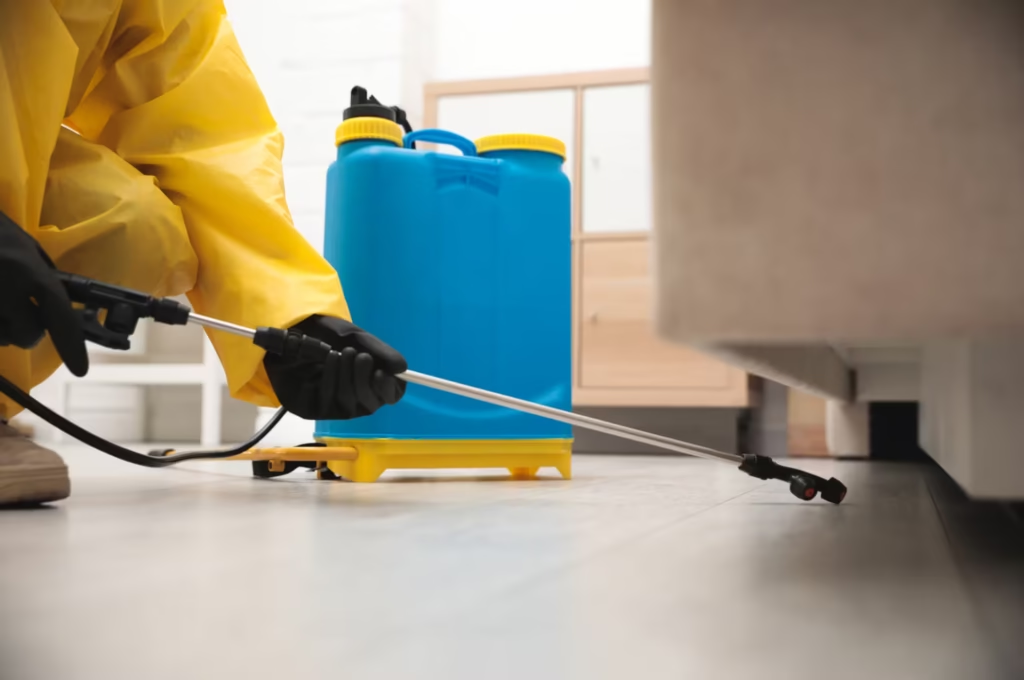
Living in New Brunswick, New Jersey, means dealing with the reality that pests are simply part of life in our vibrant college town. Whether you’re a longtime resident near Joyce Kilmer Avenue or a newcomer settling into one of the historic neighborhoods around Rutgers University, understanding how to effectively manage pest problems is crucial for maintaining a comfortable home environment.
After working in pest control throughout central New Jersey for years, I’ve seen firsthand how our local climate, dense housing, and unique urban environment create the perfect storm for various pest issues. From the humid summers that bring out swarms of mosquitoes along the Raritan River to the cold winters that drive rodents indoors seeking warmth, New Brunswick presents its own set of challenges that require targeted solutions.
The good news is that with the right knowledge and approach, you can significantly reduce pest problems in your home. This comprehensive guide will walk you through everything you need to know about identifying, preventing, and eliminating common pests in our area, helping you protect your family and property year-round.
Understanding New Brunswick’s Common Pest Problems
New Brunswick’s location in central New Jersey, combined with its dense population and older housing stock, creates an environment where certain pests thrive more than others. The most frequent invaders I encounter in local homes include ants, cockroaches, rodents, termites, and seasonal insects like stink bugs and boxelder bugs.
Ants are particularly problematic here because our soil conditions and the abundance of food sources from restaurants and student housing create ideal foraging grounds. The most common species we see are pavement ants, which love to nest under sidewalks and driveways, and carpenter ants that target the older wooden structures found throughout many of our residential areas.
Cockroaches present another significant challenge, especially in apartment buildings and row houses where shared walls make it easy for infestations to spread between units. The German cockroach is the most prevalent species in our area, and they’re particularly drawn to the warm, humid conditions found in kitchens and bathrooms.
Rodents become increasingly active as temperatures drop, with mice and rats seeking shelter in basements, attics, and wall voids. The combination of older homes with potential entry points and abundant food sources makes New Brunswick neighborhoods particularly susceptible to rodent activity during fall and winter months.
Termites pose a serious threat to homeowners throughout central New Jersey, and New Brunswick is no exception. Our clay soil and moderate moisture levels create favorable conditions for subterranean termites, which can cause thousands of dollars in structural damage if left untreated.
Seasonal Pest Challenges in Central New Jersey
Understanding the seasonal patterns of pest activity in our region is essential for effective prevention and control. Each season brings its own set of challenges that require different approaches and timing for maximum effectiveness.
Spring marks the beginning of increased pest activity as temperatures warm and insects emerge from winter dormancy. This is when you’ll start seeing carpenter ants becoming active again, and it’s the prime time for termite swarms. April and May are crucial months for inspection and prevention, as catching problems early can save you significant headaches later in the year.
Summer brings the peak of pest activity in New Brunswick. The hot, humid weather creates perfect breeding conditions for cockroaches, flies, and mosquitoes. This is also when stinging insects like wasps and hornets establish their nests, often in eaves, sheds, or underground burrows around your property. The abundance of outdoor dining and increased foot traffic during summer months can also lead to increased ant activity as they follow food trails.
Fall presents unique challenges as pests begin preparing for winter. Rodents start seeking indoor shelter, stink bugs congregate on warm exterior walls before attempting to enter homes, and spiders become more noticeable as they reach maturity. This is the critical time for sealing entry points and implementing exclusion measures.
Winter might seem like a break from pest problems, but it’s actually when indoor pest issues can become most severe. Rodents that have gained entry are now established and breeding, while any cockroaches present will be concentrated in warm areas of your home, making them more noticeable and problematic.
DIY Pest Prevention Strategies That Actually Work
The foundation of effective pest control in New Brunswick starts with making your home less attractive and accessible to unwanted visitors. Prevention is always more cost-effective and less stressful than dealing with established infestations, and there are numerous steps you can take as a homeowner to significantly reduce your pest problems.
The most important principle to understand is that pests need three basic things to survive: food, water, and shelter. By systematically eliminating or reducing these resources, you can make your home far less appealing to potential invaders. This approach requires consistency and attention to detail, but the results are well worth the effort.
Sanitation plays a crucial role in pest prevention. Keeping your home clean isn’t just about appearances – it’s about removing the food sources that attract and sustain pest populations. This means promptly cleaning up crumbs and spills, storing food in sealed containers, and maintaining regular cleaning schedules that address areas where food debris commonly accumulates.
Indoor Prevention Methods
Inside your home, focus on eliminating food and water sources while sealing potential entry points. Start with your kitchen, which is typically the most attractive area for pests. Store all food items in airtight containers, including pet food, which is often overlooked but represents a significant attractant for rodents and insects.
Address moisture issues promptly, as many pests require water to survive and reproduce. Fix leaky pipes, improve ventilation in humid areas like bathrooms and basements, and use dehumidifiers if necessary. Pay particular attention to areas under sinks, around water heaters, and in crawl spaces where moisture problems often go unnoticed.
Seal cracks and crevices using appropriate materials like caulk, steel wool, or expanding foam. Focus on areas where utilities enter your home, gaps around windows and doors, and any openings in walls or foundations. Remember that mice can squeeze through openings as small as a dime, so even tiny gaps can provide entry points.
Regular vacuuming and cleaning help remove food particles, pest eggs, and pheromone trails that can attract additional pests. Pay special attention to areas under appliances, in pantries, and along baseboards where debris commonly accumulates.
Outdoor Pest Control Measures
Your exterior pest prevention efforts should focus on creating a barrier around your home and eliminating conditions that support pest populations. Start by maintaining a clean perimeter around your foundation, removing debris, fallen leaves, and overgrown vegetation that can provide shelter for pests.
Trim tree branches and shrubs so they don’t touch your home’s exterior, as these can provide highways for ants, termites, and other pests to access your structure. Ensure proper drainage around your foundation to prevent water accumulation, which attracts many types of pests and can create ideal breeding conditions.
Store firewood, lumber, and other materials away from your home’s foundation and keep them elevated off the ground. These materials can harbor termites, carpenter ants, and other wood-destroying insects that may eventually target your home if given easy access.
Install or repair screens on windows, doors, and vents to prevent flying insects from entering while still allowing proper ventilation. Check and maintain weatherstripping around doors and windows to eliminate gaps that could allow pest entry.
When to Call Professional Pest Control Services
While DIY prevention and treatment methods can be highly effective for minor pest issues and ongoing prevention, there are situations where professional intervention is not just recommended but necessary for effective resolution. Recognizing when you’ve reached the limits of DIY pest control can save you time, money, and frustration while preventing small problems from becoming major infestations.
Professional pest control services bring specialized knowledge, commercial-grade products, and systematic approaches that are often required for complete elimination of established pest populations. We have access to treatment methods and products that aren’t available to consumers, and more importantly, we understand how to use them safely and effectively in residential environments.
Complex infestations, particularly those involving multiple pest species or hard-to-reach areas like wall voids and crawl spaces, typically require professional expertise. Carpenter ants, for example, often have multiple satellite colonies that must all be treated for successful elimination, and locating these colonies requires experience and specialized equipment.
Termite problems almost always require professional treatment due to the specialized nature of termite biology and the potential for significant structural damage. Termite treatments involve precise application of termiticides and often require specialized equipment for accessing soil around foundations and within wall voids.
Signs You Need Immediate Professional Help
Certain warning signs indicate that DIY methods are unlikely to be sufficient and that professional intervention is necessary. If you’re seeing pests during daylight hours, particularly cockroaches or rodents that are typically nocturnal, this often indicates a significant population that has outgrown available hiding spaces.
Multiple pest sightings in different areas of your home, especially if they persist despite your prevention efforts, suggest an established infestation that requires systematic professional treatment. Similarly, if you’re finding evidence of pest activity like droppings, gnaw marks, or damaged materials on a regular basis, the problem has likely progressed beyond what DIY methods can effectively address.
Structural damage, particularly evidence of wood destruction from carpenter ants or termites, requires immediate professional attention to prevent further damage and ensure complete elimination of the pest colony. Stinging insect nests in wall voids or other difficult-to-access areas also require professional treatment for safe removal.
Health and safety concerns should always prompt immediate professional intervention. This includes situations involving venomous spiders, aggressive stinging insects, or large rodent populations that could spread disease.
Choosing the Right Pest Control Company in New Brunswick
Selecting a pest control company in the New Brunswick area requires careful consideration of several factors to ensure you receive effective service and good value for your investment. The pest control industry includes companies ranging from large national franchises to local family-owned businesses, each with their own strengths and approaches to pest management.
Start by verifying that any company you’re considering is properly licensed and insured to operate in New Jersey. The state requires pest control companies to maintain specific licenses and insurance coverage, and reputable companies will readily provide this information upon request. Don’t hesitate to ask for license numbers and insurance certificates, as these documents protect both you and the service provider.
Experience with local pest problems is invaluable, as pest control strategies that work in other climates or environments may not be appropriate for our specific conditions in central New Jersey. Companies with extensive local experience understand the seasonal patterns, common pest species, and environmental factors that influence pest activity in our area.
Look for companies that emphasize integrated pest management (IPM) approaches rather than relying solely on chemical treatments. IPM focuses on long-term prevention through environmental modification, exclusion, and targeted treatments only when necessary. This approach is typically more effective and environmentally responsible than broad-spectrum chemical applications.
Request detailed estimates that explain the proposed treatment plan, including what pests are being targeted, what methods will be used, and what results you can expect. Be wary of companies that offer one-size-fits-all solutions or refuse to provide written estimates and service agreements.
Consider the company’s communication and customer service standards. Effective pest control requires ongoing communication between you and your service provider, and companies that prioritize customer education and responsiveness typically deliver better long-term results.
Long-Term Pest Management for New Brunswick Homes
Sustainable pest control in New Brunswick requires a long-term perspective that goes beyond simply addressing current problems to preventing future issues. This approach is particularly important in our area due to the combination of climate factors, housing density, and environmental conditions that make pest problems likely to recur without proper ongoing management.
Develop and maintain a regular inspection schedule that allows you to identify potential problems before they become serious infestations. Monthly visual inspections of key areas like basements, attics, kitchens, and exterior perimeters can help you catch issues early when they’re easier and less expensive to address.
Keep detailed records of any pest activity you observe, including dates, locations, and types of pests. This information helps identify patterns and trends that can inform your prevention strategies and help pest control professionals develop more effective treatment plans when needed.
Maintain relationships with qualified local service providers even when you don’t have active pest problems. Companies that know your property and history can respond more quickly and effectively when issues arise, and many offer preventive services that can help avoid serious infestations.
Stay informed about seasonal pest activity patterns in our area and adjust your prevention efforts accordingly. This might mean increasing inspection frequency during peak activity periods or implementing specific measures before predictable seasonal pest issues emerge.
Remember that effective pest management is an ongoing process rather than a one-time fix. The environmental factors that make New Brunswick attractive to human residents also make it appealing to various pest species, so maintaining vigilance and consistent prevention efforts is essential for long-term success.
By taking a proactive approach to pest management and working with qualified professionals when needed, you can protect your New Brunswick home from the various pest challenges our area presents while maintaining a comfortable and healthy living environment for your family.